The Rules of Shale House
Established by custom. Enforced primarily by raised eyebrows.
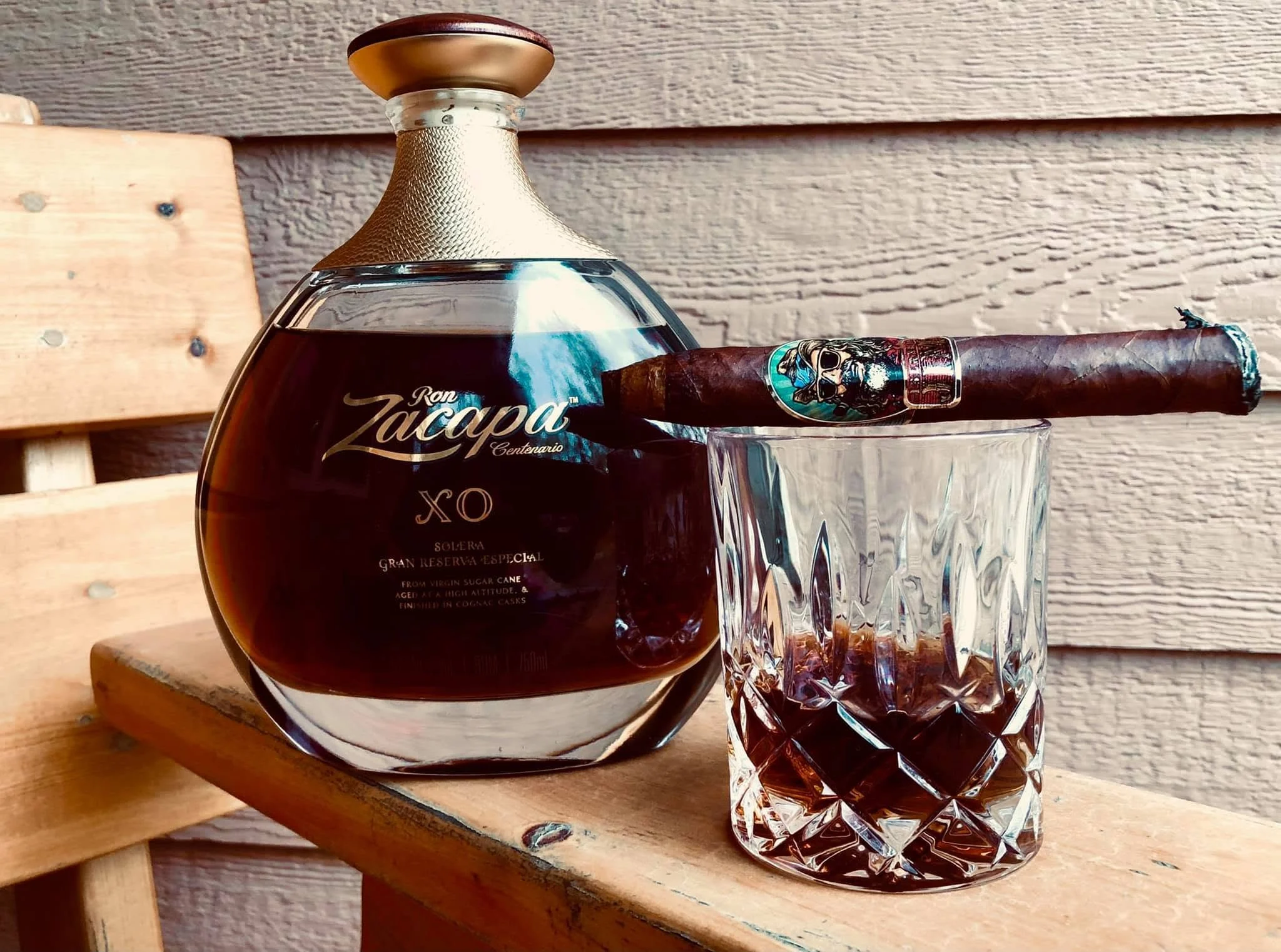
I. The Smoking Lamp May Be Lit.
When the lamp is lit, the day has yielded the floor. Cigars are selected deliberately, chairs are occupied properly, and whatever seemed terribly important an hour ago may wait until morning.
II. The Good Bottles Are Meant to Be Opened.
A bottle saved forever has failed in its purpose. Fine whisky, bourbon, wine, port, or cognac should be kept for worthy occasions—but worthy occasions include old friends arriving, family gathering, an expedition successfully concluded, a difficult week survived, and occasionally Tuesday.
III. Drink What You Like.
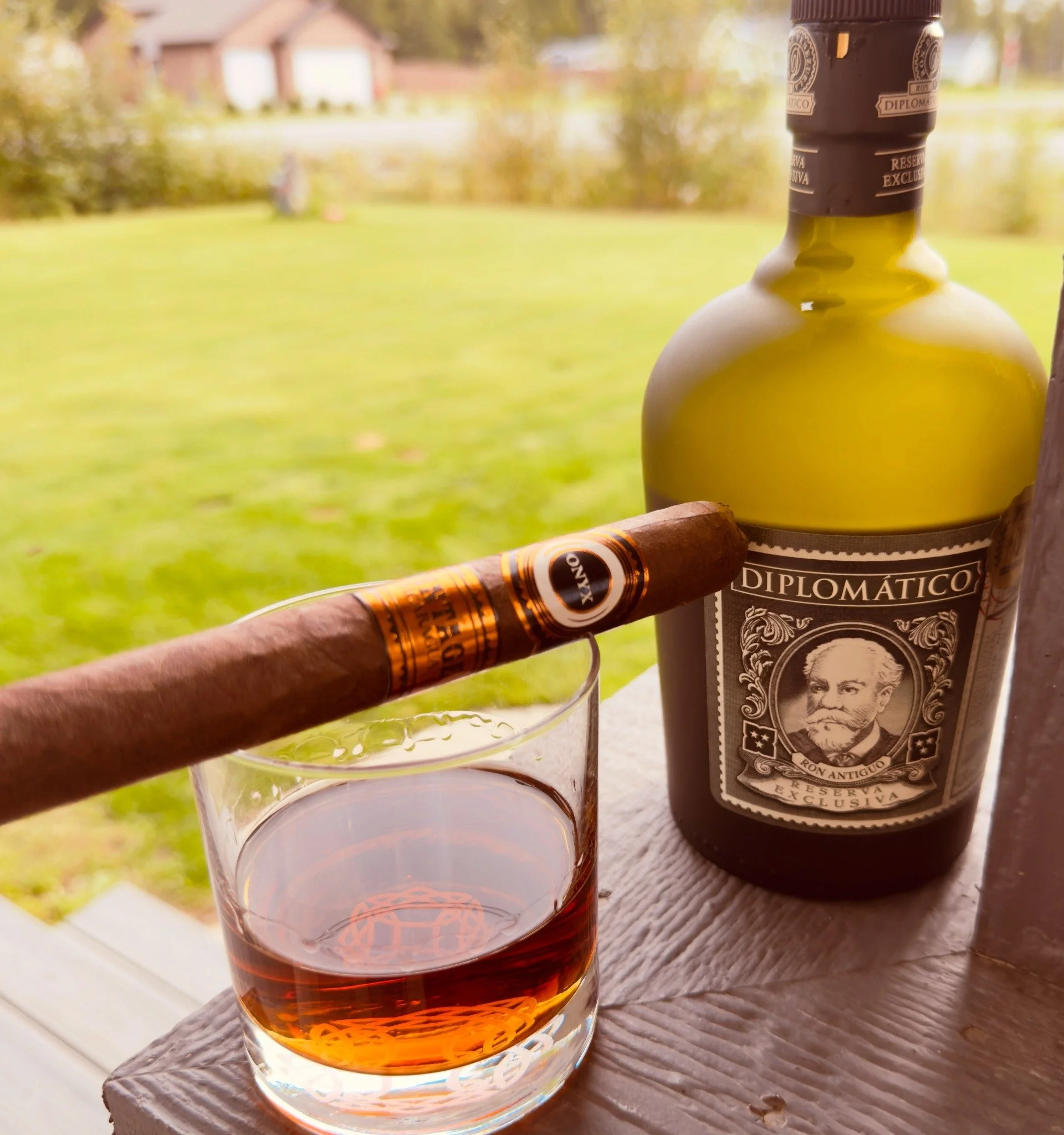
Bourbon does not require permission. Scotch need not be defended. A cocktail properly made is never beneath anyone. Ice, water, neat, stirred, shaken—Shale House recognizes remarkably few matters requiring a tribunal.
IV. Smoke What You Enjoy.
Price, ratings, scarcity, and reputation are interesting. Enjoyment is decisive. A six-dollar cigar that delivers a fine hour has accomplished more than a fifty-dollar cigar smoked merely to impress someone.
V. Guests Get the Good Stuff.
Hospitality is not the occasion for protecting inventory. A guest invited into Shale House should never suspect that a better bottle or cigar was hidden because they were coming.
Diplomatic Inventory remains available for certain circumstances. The House reserves judgment.
VI. Nobody Leaves Hungry.
There should always be enough food for one more chair at the table. If the meal becomes simpler because another person arrived, so be it.
Pour another glass. Cut another piece. Stay awhile.
VII. Never Rush a Cigar.
If there isn't time to smoke it properly, there is time to smoke it later.
VIII. Put the Damn Phone Down Occasionally.
Photographs are encouraged. Messages sometimes matter. Emergencies remain emergencies. But there are sunsets, fires, meals, cigars, dogs, conversations, and people in front of you that deserve to exist without documentation.
IX. Stories May Improve Slightly With Age.
Accuracy is respected. Embellishment in the service of a properly told story is understood. Outright bullshit remains subject to immediate review by anyone who was actually there.
X. Arguments Are Permitted.
Politics, history, hunting, books, whisky, cigars, travel, questionable purchases, and the proper preparation of meat are all legitimate subjects.
Disagreement is not discourtesy.
Being an asshole about it is.
XI. Expertise Should Remain Useful.
Knowing something is good. Sharing it generously is better. Lecturing someone who didn't ask is generally unnecessary.
XII. Buy Fewer Things. Buy Better Things. Use Them.
Fine objects acquire character through service.
Boots should become scratched. Leather should develop patina. Rifles belong in the field. Cameras should travel. Books should be read. Glasses should be filled. Cigars should eventually become ash.
Things worth owning are generally worth using.
XIII. Take Care of What Has Been Entrusted to You.
Some things belong to us only temporarily.
Land. Tools. Rifles. Books. Photographs. Stories. Traditions. A good name.
Maintain them. Repair them when possible. Pass them along better than you received them.
XIV. Leave the Country Better Than You Found It.
Pack out what you brought in. Shut the gate. Respect the animal. Thank the guide. Tip the people who worked hard for you. Do not leave your rubbish, arrogance, or entitlement behind.
A traveler is a guest before he is anything else.
XV. Curiosity Is Always Authorized.
Take the unfamiliar road occasionally. Enter the old shop. Order something you cannot pronounce. Ask the tobacconist what he smokes. Talk to the guide. Read the plaque. Look behind the obvious thing.
There is usually something interesting on the other side of the mountain.
XVI. Dogs Are Presumed to Be Members.
They may occupy inconvenient locations, investigate all food preparation, supervise porch activities, and appear whenever a pantry door opens within an unreasonable distance.
No further regulation is anticipated.
XVII. The Porch Is Neutral Ground.
Rank, titles, résumés, and professional importance have limited jurisdiction here.
Pull up a chair.
XVIII. Leave Something for the Next Expedition.
Not every place must be seen today. Not every cigar needs to be purchased. Not every question needs answering.
Discovery requires a little unfinished business.
What is on the other side of the mountain?
Go find out.
XIX. Take Care of Your People.
Call your parents. Check on your friends. Teach the younger ones what somebody once taught you. Listen to the older ones—even when you've heard the story before.
Show up when it matters.
The rest is largely administrative.
XX. The Empty Chair Is Never Filled.
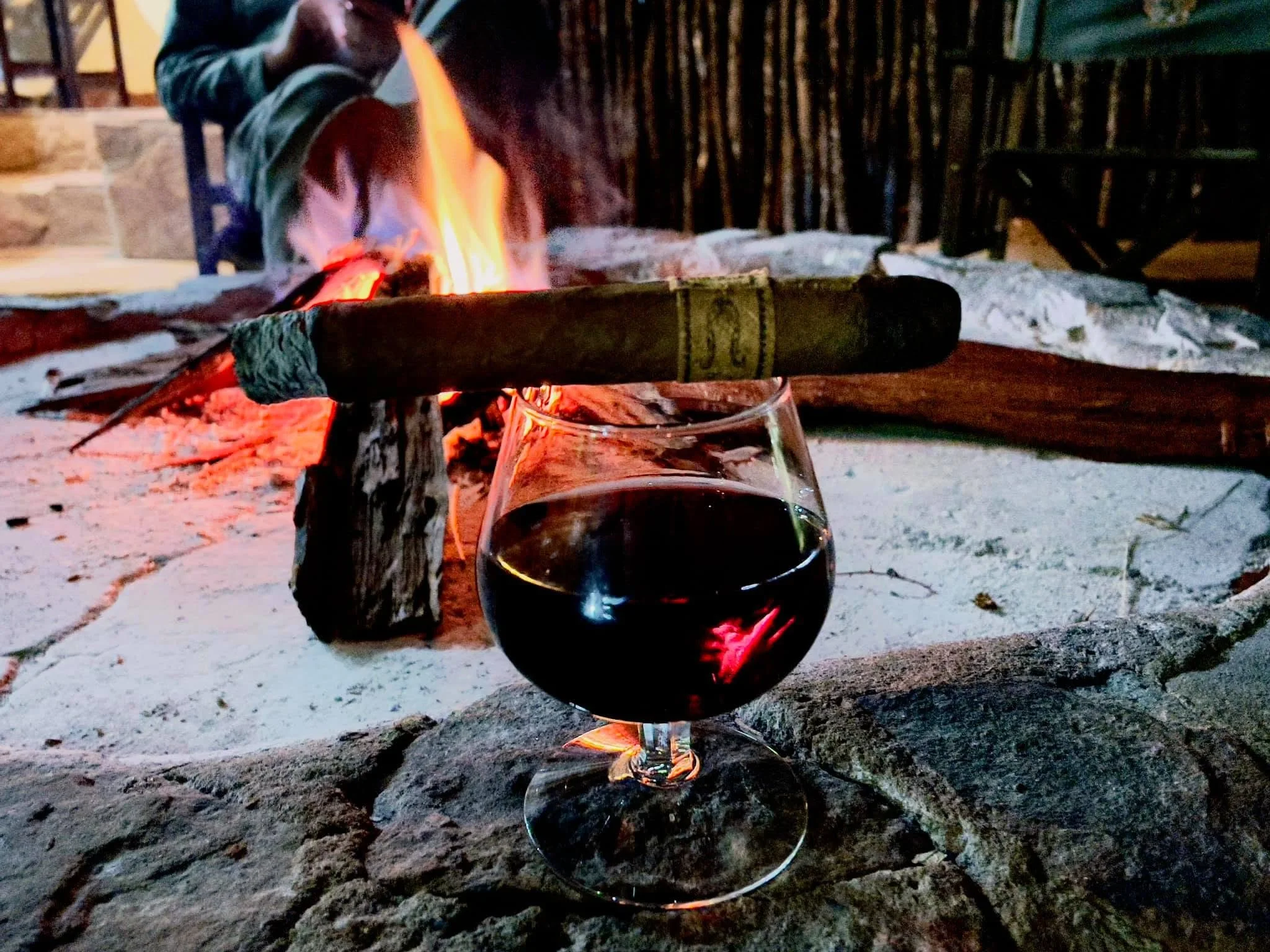
When Shale House sets an empty chair, it is left for those who should be at the table but cannot be.
A glass may be poured. A cigar may be placed beside it. A name may be spoken, a story told, or nothing said at all.
The chair is not decoration, and it is not an invitation for someone else to sit down. It is an acknowledgment that some absences deserve a place of their own.
We remember the family, friends, companions, and fellow travelers who once shared the fire, the table, the field, or the road with us.
Raise the glass. Tell the story. Leave the chair.
XXI. Celebrate While Everyone Is Still Here.
Do not reserve every fine bottle, expensive cigar, good meal, or ridiculous idea for some theoretically perfect future occasion.
Sometimes the people around the table are the occasion.
The Standing Order
Travel while you can. Buy deliberately. Drink moderately. Smoke slowly. Tell good stories. Take care of your people. Use the good stuff. Leave places better than you found them. Leave a few mysteries unexplained.
And when circumstances permit, light the Smoking Lamp.
— Shale House
Forbes-Miller Expeditions
What is on the other side of the mountain?